Culture & Heritage of Gombe
Discover the people, traditional institutions, languages, celebrations, food, arts and historic stories that give Gombe State its distinctive identity as the Jewel in the Savannah.
A State of Many Cultures
Gombe is home to diverse communities, including Fulani, Hausa, Tangale, Tera, Waja, Bolewa, Jukun, Cham, Dadiya, Tula, Kamo and other peoples. The state’s cultural life is shaped by different languages, occupations, festivals, beliefs and social traditions, alongside strong interaction between communities.
People & Languages
Gombe’s communities maintain distinct indigenous languages and cultural identities, while Hausa is widely used for communication and English is the official language.
Traditional Institutions
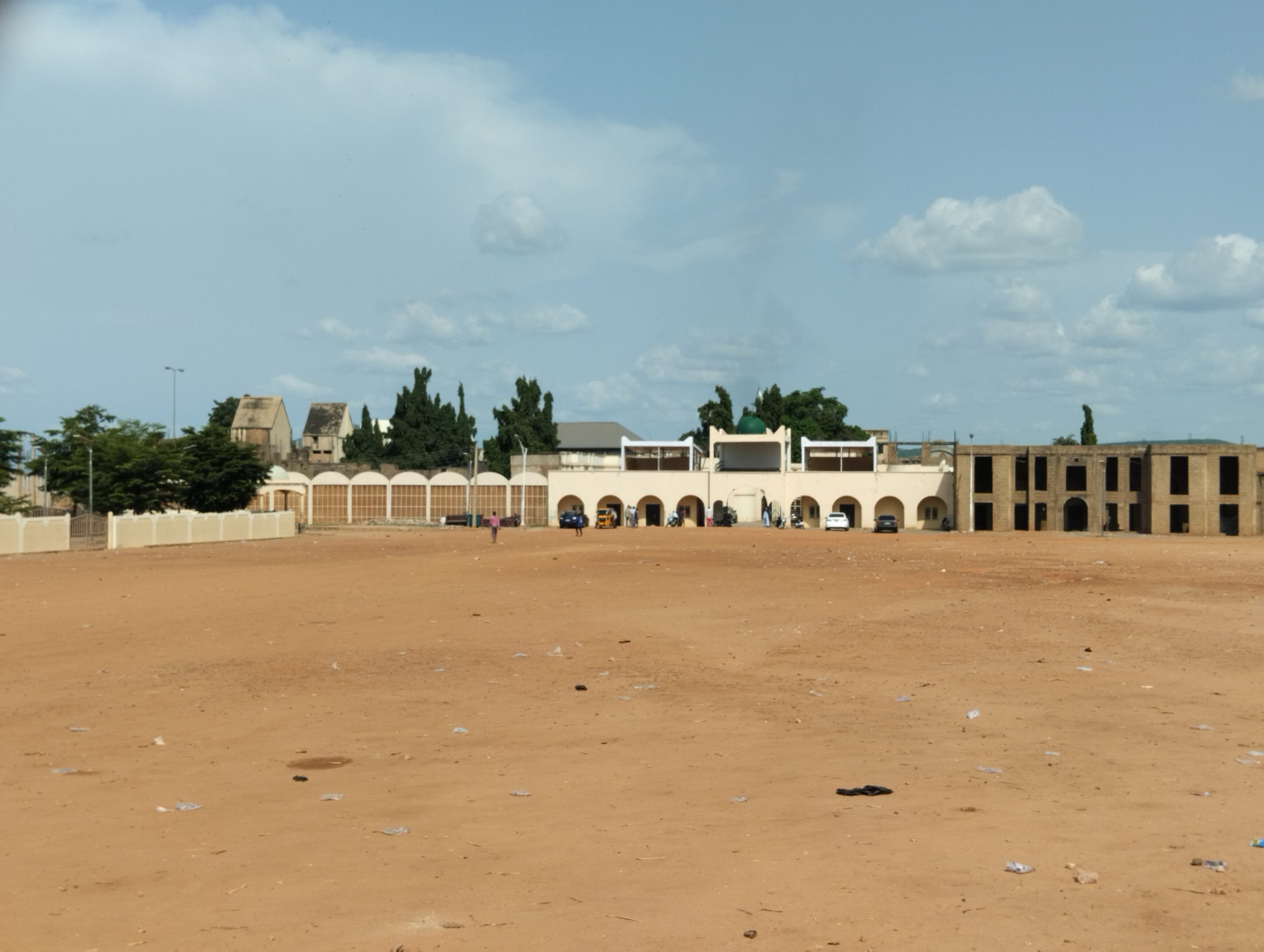
Emirates, chiefdoms and other traditional institutions remain important parts of the state’s history, identity, community leadership and cultural continuity.
Community Life
Marriage, birth, harvest ceremonies, respect for elders, music, dance and communal activities form important parts of cultural life across the state.
Traditional Institutions & History
Gombe’s heritage includes the Gombe Emirate and numerous traditional authorities across the state. The modern state was created on 1 October 1996 from the former Bauchi State, but the communities and traditional institutions that make up Gombe have much older histories.
Different communities developed their own settlements, languages, leadership structures, farming traditions and cultural practices.
The Gombe ruling tradition developed within the wider history of the Sokoto-era political landscape.
Gombe became a state on 1 October 1996 after being carved out of the old Bauchi State.
Traditional institutions and community traditions continue alongside modern education, commerce, government and urban life.
Living Cultural Experiences
Culture in Gombe is not limited to historic sites. Visitors can encounter living traditions through ceremonies, music, dance, traditional dress, local food, crafts, markets and community celebrations.
Durbar & Royal Ceremonies
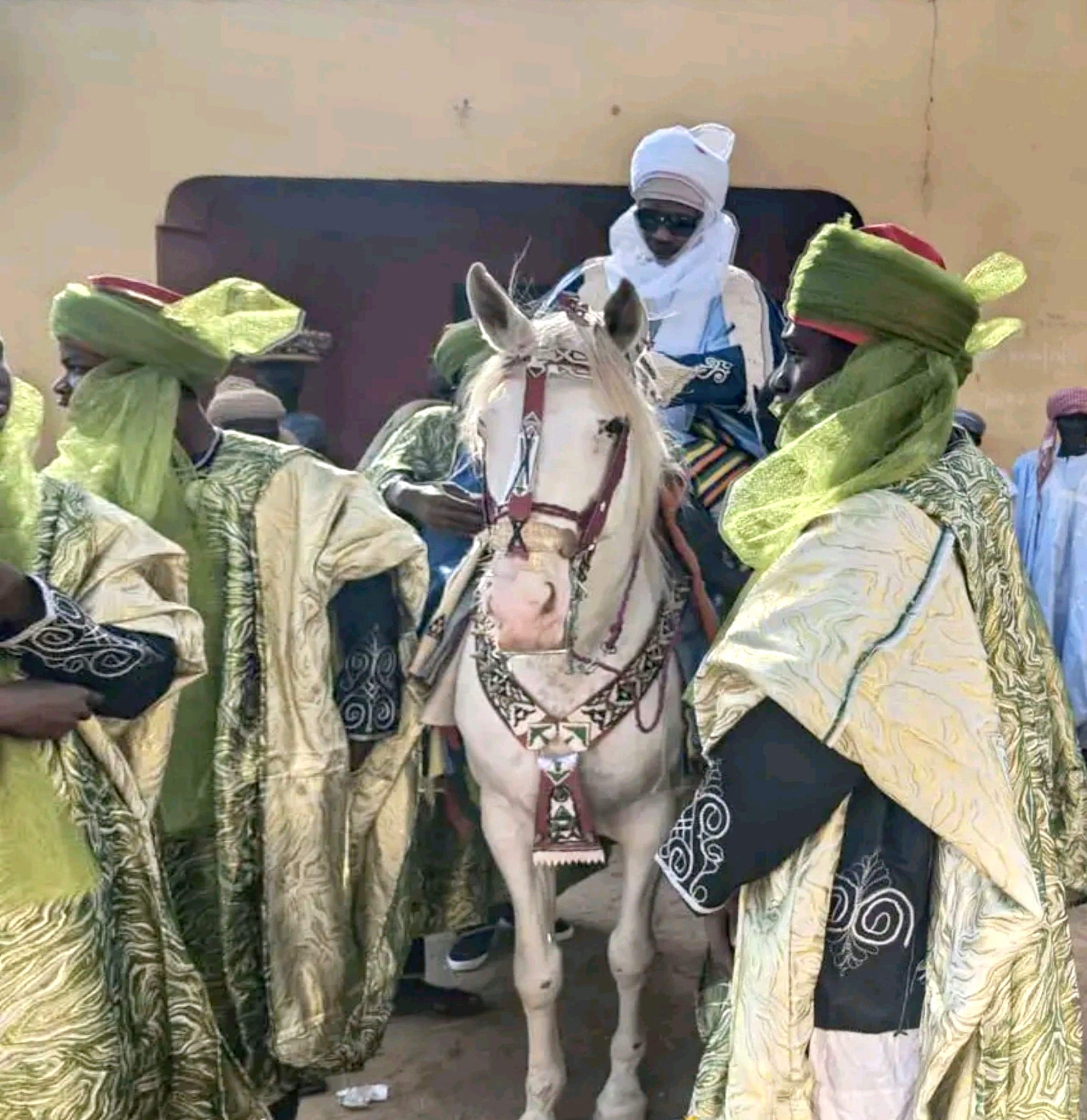
Durbar traditions are associated with major Islamic celebrations and occasions involving traditional institutions, with horse riding, pageantry and ceremonial displays.
Music, Dance & Storytelling
Traditional songs, instruments, dances, praise singing and oral storytelling help preserve community history and values.
Food & Hospitality
Local meals and refreshments reflect the state’s agricultural and pastoral traditions, with dishes and food customs varying between communities.
Culture Across the Regions
Tangale & Tula Country
The southern highlands around Billiri and Kaltungo are associated with Tangale and Tula communities, traditional institutions and distinctive hill landscapes.
Waja, Cham & Dadiya Communities
Balanga and surrounding areas contain several communities with distinct languages and cultural traditions, including Waja, Cham, Dadiya, Pire and Lunguda.
Tera & Gongola Communities
Communities around Yamaltu-Deba and the Gongola landscape contribute to the state’s agricultural, riverine and cultural heritage.
Explore Gombe Through Its Heritage
We will continue expanding this section with verified heritage sites, cultural events, community stories, photographs and visitor information as they are documented.